A Realistic Guide to Beginner Affiliate Marketing: Getting Started Without the Hype
When I first dipped my toes into affiliate marketing, I expected quick wins and easy commissions. The reality was far less glamorous, but far more rewarding once I understood what actually works. If you are looking at beginner affiliate marketing as a way to build a side income, you need a clear map and honest expectations. This guide walks through the practical steps, the tools that matter, and the mindset that separates those who give up from those who build something real.
What Beginner Affiliate Marketing Actually Looks Like Today
Affiliate marketing means promoting someone else's product and earning a commission for each sale or action you generate. That sounds simple, but the landscape has changed. You cannot just throw links on a page and wait for cash. Search engines reward useful content, and users can spot a lazy promotion from a mile away. For someone new to this, the learning curve involves understanding how to create content that helps people, then connecting that help to an affiliate offer.
I remember my first month. I signed up for Amazon Associates, picked a few products I liked, and wrote short reviews. Nothing happened. I learned that beginner affiliate marketing requires patience and a strategy that goes beyond copying product descriptions. You need to think about what your audience actually searches for and how you can answer their questions before they ever click a buy button.
Choosing Your First Affiliate Programs
Not all affiliate programs are created equal, especially for a newcomer. Some have high minimum payouts, short cookie durations, or strict approval processes. Others are more forgiving. I recommend starting with networks that offer a range of products and clear tracking.
ShareASale is a solid first stop. It has thousands of merchants across many niches, and the interface is straightforward. CJ Affiliate, formerly Commission Junction, is another large network, though its approval process can be tougher for new sites. Rakuten Advertising has a strong reputation, but its interface feels dated. ClickBank is excellent if you want to promote digital products like courses or software, because it handles international payments well and has high commissions.
Amazon Associates is the obvious entry point because almost anything can be linked there. The cookie window is only 24 hours, which means you need to capture the buyer right when they click. I suggest using Amazon for product comparisons and gift guides, not as your only program. Diversifying across two or three networks gives you more flexibility and better long-term income.

Building a Foundation With Content and SEO
The core of beginner affiliate marketing is content that ranks in search engines. Without traffic, no one sees your links. That means you need a website, and you need to write about topics people actually search for. WordPress is still the best platform for this because it gives you full control over SEO and design. Pair it with a lightweight theme and Elementor for page building, and you have a flexible setup without needing to code.
From day one, install Yoast SEO to guide your on-page optimization. It helps with meta descriptions, readability, and keyword placement. But tools alone do not guarantee rankings. You need to research what people are typing into Google. Semrush and Ahrefs are the industry standards for keyword research. They show search volume, competition, and related questions. When I started, I used the free versions of both to find low-competition keywords. That gave me a fighting chance against established sites.
Google Search Console is free and essential. It shows you which queries bring visitors to your site, how often your pages appear in results, and what your click-through rates look like. I check it weekly to see which topics are gaining traction and which ones need improvement.
Content Creation With Help From AI
Writing content from scratch every day is exhausting, especially when you are learning the ropes. AI writing assistants like Jasper AI and ChatGPT can help you outline articles, draft sections, or rephrase tricky sentences. I use them to overcome writer's block, but I never publish anything without editing it heavily. Search engines reward originality and depth, so you need to add your own examples, opinions, and details that an AI cannot know.
For instance, if I write about the best web hosting for beginners, I might use ChatGPT to generate a comparison table. Then I add my personal experience with Bluehost, SiteGround, and Kinsta. Bluehost is affordable and easy for new users, SiteGround has excellent support and faster performance, and Kinsta is premium but overkill until you have real traffic. That kind of nuance comes from using the services yourself, not from a prompt.
Monetization Beyond Simple Links
Direct product links are not the only way to earn. Many affiliate programs also offer bonuses for leads, free trials, or email signups. ThriveCart is a checkout platform that includes affiliate features, and it is popular among digital product creators. If you promote courses or software, you can earn from trial conversions, not just sales. That can stabilize your income during slow months.
WooCommerce is useful if you ever want to sell your own physical or digital products alongside affiliate offers. That combination can build a more resilient business. But for pure beginners, I recommend sticking to affiliate links until you understand your audience's buying habits.
Practical Workflow for a New Affiliate Site
Let me share the process that helped me get my first commissions. It is not fancy, but it works.
- Pick a narrow niche you know something about. It could be running, indoor plants, or home brewing. The more specific, the easier it is to rank.
- Research 10 to 20 keyword phrases that have low competition but clear search intent. Use Semrush or Ahrefs to find them.
- Write a single in-depth article around one of those keywords. Aim for at least 1500 words. Include personal experience, comparisons, and honest pros and cons.
- Insert relevant affiliate links from ShareASale or Amazon Associates where they naturally fit. Do not force them.
- Publish the article, then submit the URL to Google Search Console for indexing. Share it on social media or forums where beginners hang out.
- Repeat this process every week. Over time, each article acts like a small asset that can bring traffic for months or years.
This approach is the heart of beginner affiliate marketing. It does not require influencer status or paid ads. It just requires consistency and a willingness to learn from mistakes. My first few articles brought in less than ten visitors a day. After about three months, one of them started ranking on the first page for a low-competition term. That single article earned more in commissions than all the others combined. That taught me to focus on quality over quantity.
Tools That Simplify the Technical Side
You do not need to be a developer to run an affiliate site, but you do need a few tools to keep things running smoothly. Bluehost offers shared hosting that is fine for a new site. SiteGround is a step up with better speed and support. Kinsta is managed WordPress hosting that handles technical maintenance for you, but it costs more. I started with SiteGround and only moved to Kinsta when my traffic grew enough to justify the expense.
For planning your content, Whimsical is a great tool for creating mind maps and flowcharts. I use it to map out topic clusters before I start writing. Traffic Copilot is a newer tool that analyzes your existing content and suggests improvements based on what is ranking in your niche. It saves time compared to manually checking each page against competitors.
Common Pitfalls and How to Avoid Them
One mistake I see often is signing up for too many programs at once. It spreads your focus and makes it hard to track which links are working. Start with two networks and learn their dashboards inside out. Another mistake is chasing high commission rates without checking the product quality. A 50 percent commission on a poorly reviewed product will not convert. I always test a product myself or read verified reviews before promoting it.
Another trap is neglecting the user experience on your site. If your pages load slowly or look messy on mobile, visitors will leave before clicking anything. Use Google Search Console to check for mobile usability issues and PageSpeed Insights to find performance bottlenecks. A clean, fast site builds trust, and trust leads to clicks.
Finally, do not ignore the legal side. In many countries, you must disclose that your links are affiliate links. A simple sentence like "This post contains affiliate links, and I may earn a commission if you make a purchase" is usually enough. Honesty with your audience pays off in the long run.
Measuring What Matters
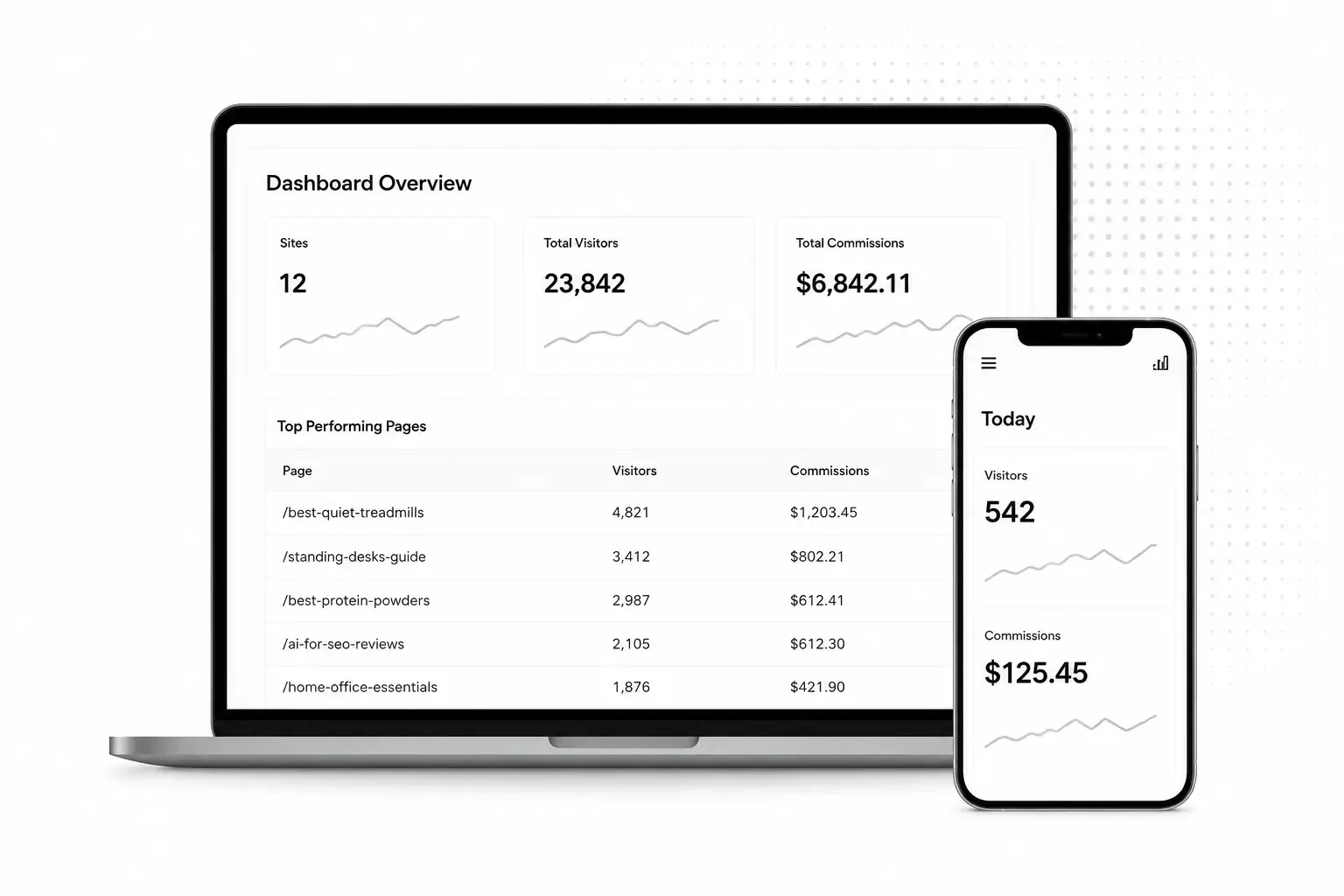
Beginner affiliate marketing can feel like throwing darts in the dark if you do not track results. Each affiliate network gives you a dashboard with clicks, sales, and commissions. But I also create a simple spreadsheet where I record which articles I wrote, which keywords they target, and how much traffic and revenue they generate each month. That helps me see patterns over time.
I also keep an eye on click-through rates from my affiliate links. If a page gets a lot of traffic but few clicks, the links might be poorly placed or the call to action is weak. Testing different link positions and anchor text can improve that. Small changes often lead to noticeable income increases.

Staying Motivated Through the Slow Months
The hardest part of affiliate marketing for beginners is the gap between effort and results. You might write for weeks before seeing your first commission. That is normal. I remember checking my Amazon Associates dashboard every day for two months and seeing a big zero. Then one day, a small commission appeared from a product I had written about months earlier. That single sale made me believe the process works.
To stay motivated, I set small milestones. First goal: publish five articles. Second goal: get indexed in Google. Third goal: earn the first commission. Each step feels like progress, even if the money is not there yet. I also joined a few communities of other affiliate marketers. Talking to people who are a few months ahead of me gave me perspective and practical tips.
If you approach this with a long-term mindset, the compounding effect of good content can produce a steady income. It is not passive in the beginning. But after the first year, old articles keep earning with minimal maintenance. That is the real reward of learning beginner affiliate marketing the right way.